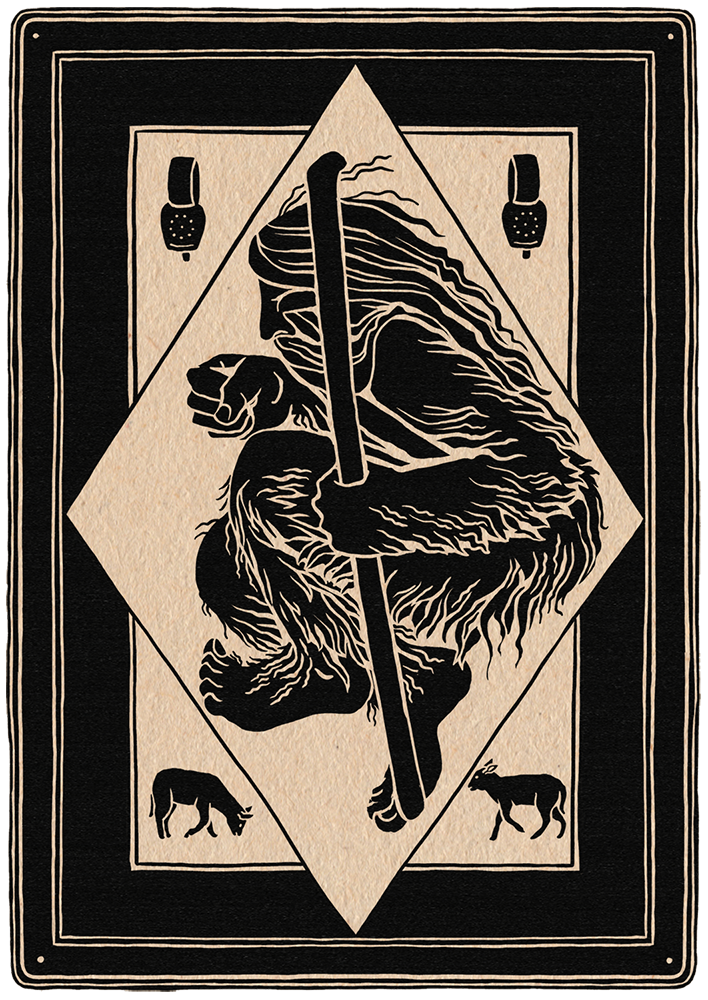
Ascertaining whether the Col du Tourmalet is a passable cycling road in the month of January seems questionable. And yet, in 1910, this was precisely what journalist Alphonse Stienes was attempting. At this point in time, the road was little more than a goat track, but he had been sent by the Tour de France director, Henri Desgrange, regardless of the weather or time of year. Predictably, Stienes wandering in a blizzard, became lost, only to be found, half-frozen, by locals, and revived in an inn. Perhaps overcome by this second chance, the telegram he sent back read: Crossed Tourmalet stop. Very good road stop. Six months later the Tour crossed the Tourmalet for the first time.
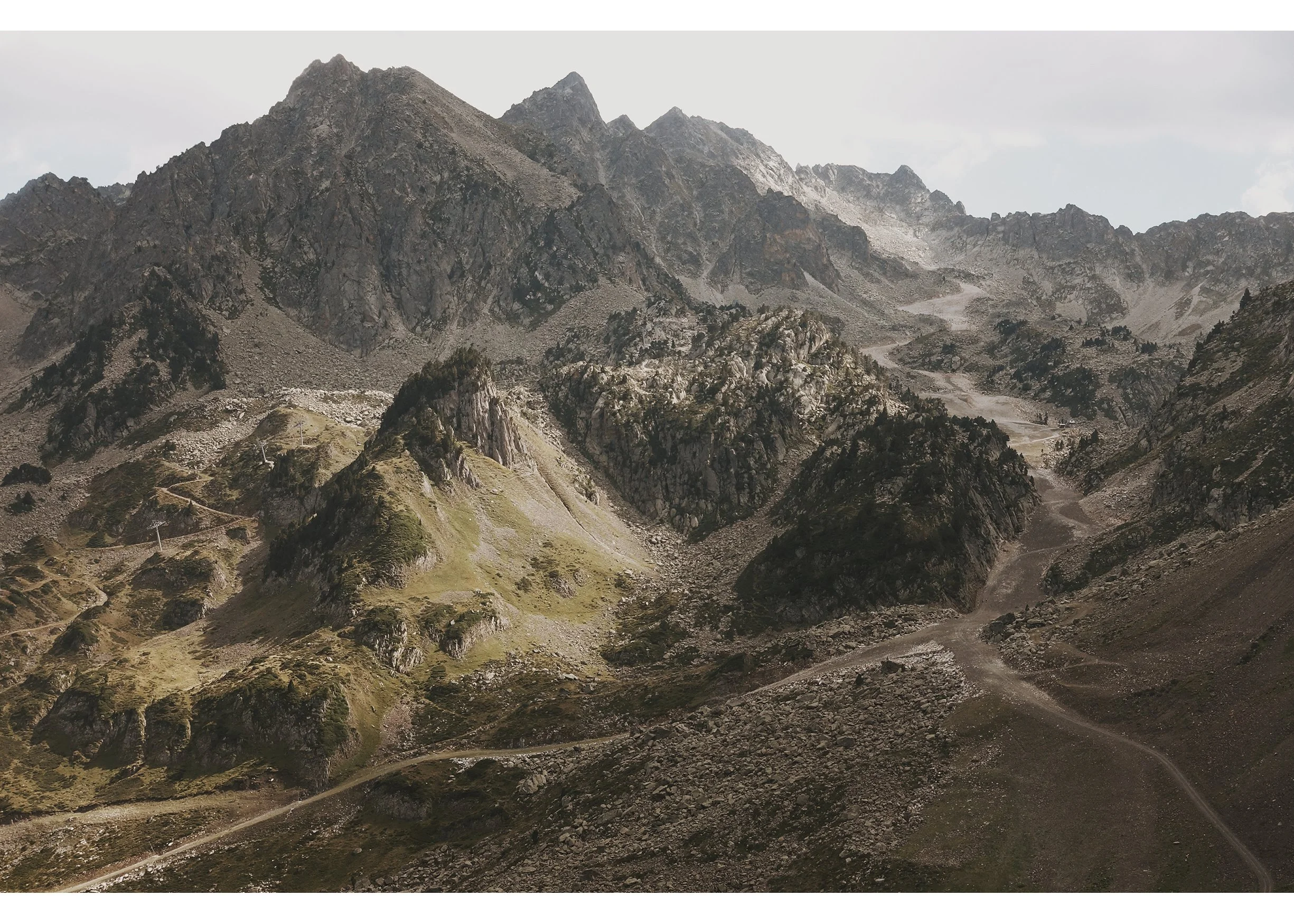
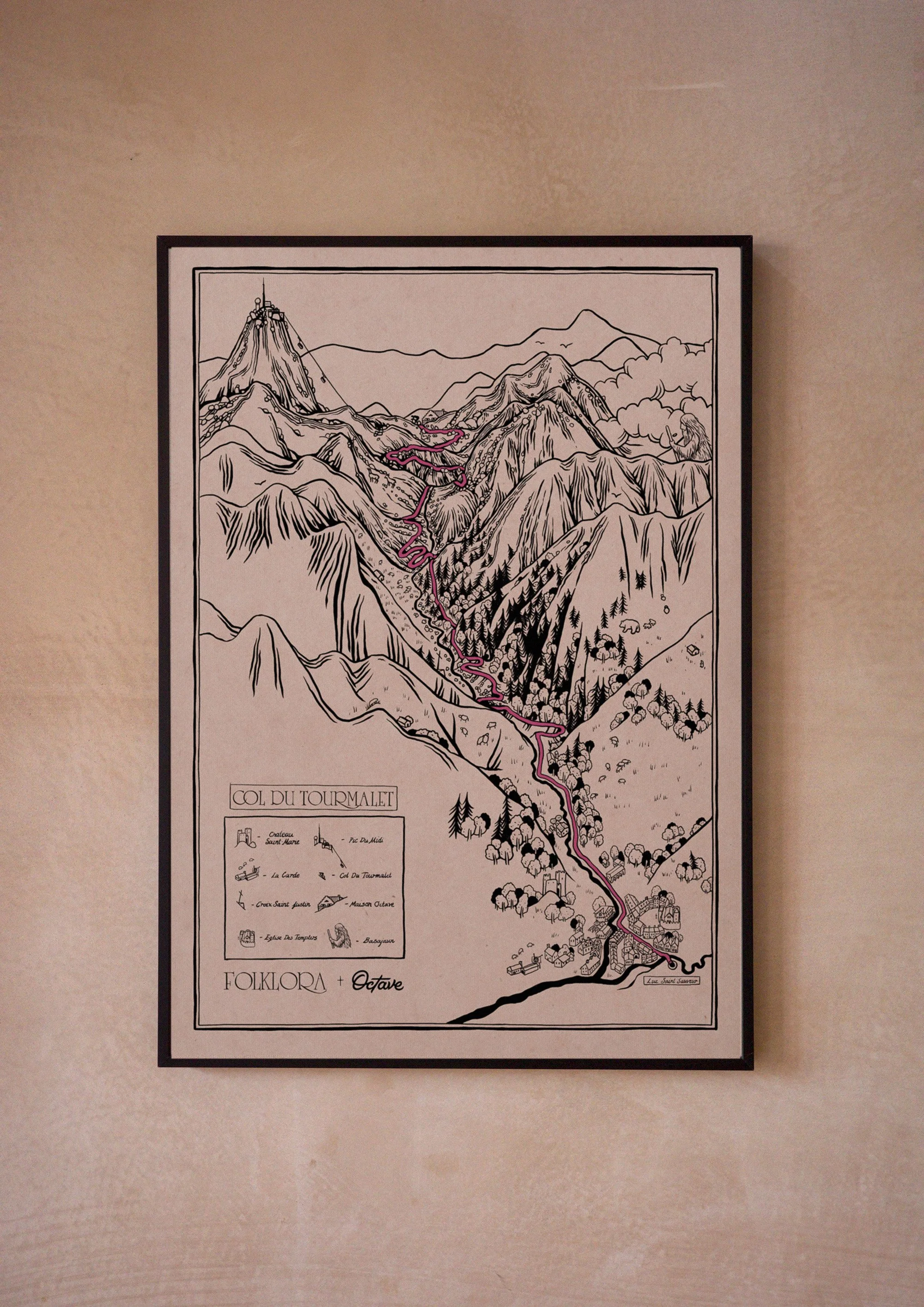
The col stands at 2,115 metres, the highest paved pass in the French Pyrenees after the Col de Portet. It connects two valleys — the Gave de Pau to the west, reached through Luz-Saint-Sauveur, and the Adour to the east, dropping toward Campan. The D918 links them across 34 kilometres of now paved road. From Luz, on the western side, the climb is 19 kilometres long, gains 1,404 metres of height, and averages 7.4 per cent. Forty-two bends, twelve of them hairpins, though the character of the road is more long straight ramp than serpentine switchback.
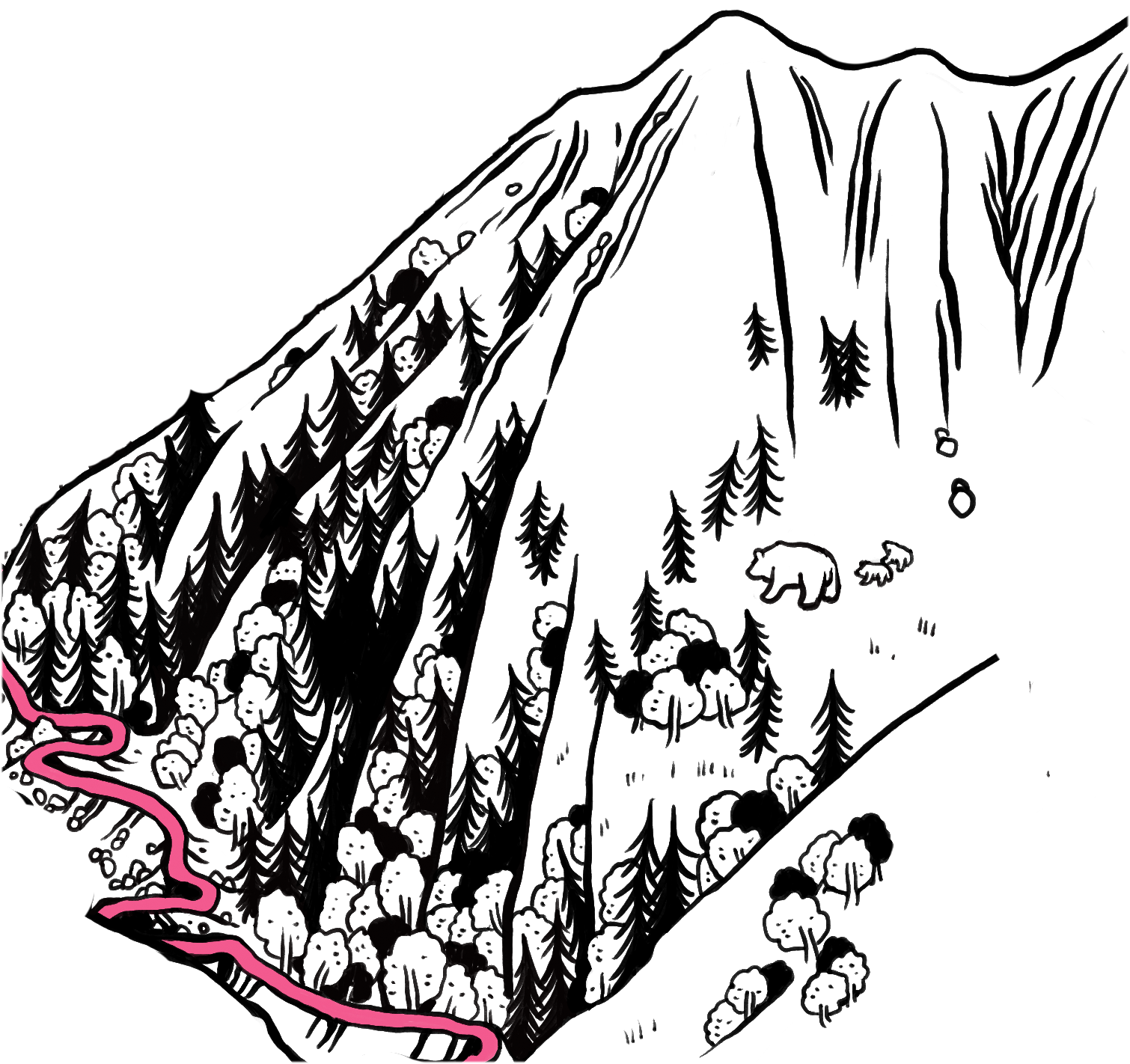
Along the way, it is a certainty that you will encounter sheep and cattle, the traditional transhumance, herds brought up to the high mountain pastures in the summer months. Perhaps you might also meet Llamas, an unlikely transplant from the Andes. Like the native sheep and cattle, they move for no one. Look carefully, and you will also spot Alpine marmots, Pyrenean chamois, the possibility of brown bears, reintroduced, and the memory of grey wolves, their howls still echoing for their return. Souring above the top, look out for golden eagles and the enormous, majestic lammergeier, the bearded vulture.
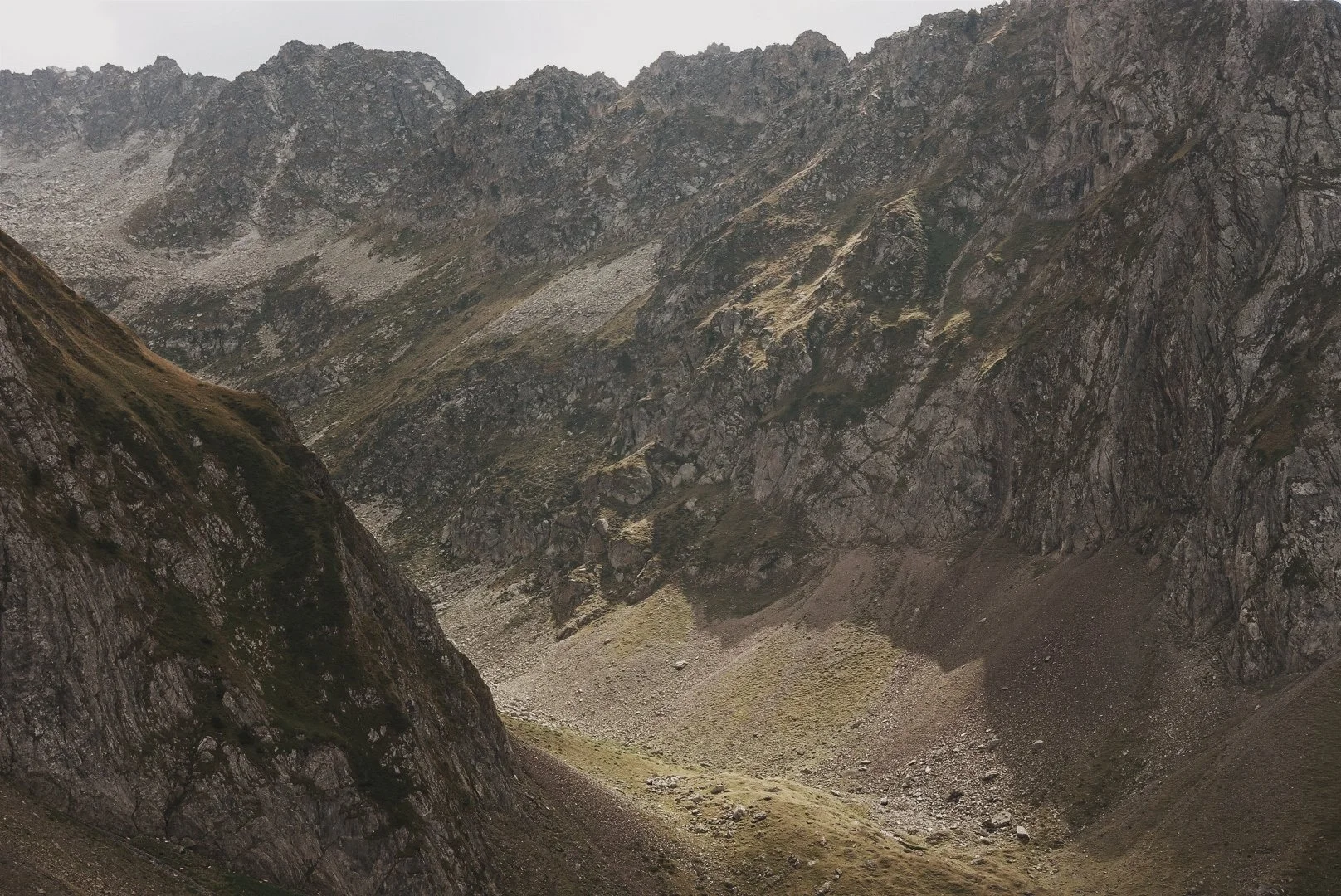
If you are very lucky, you might just spot the Basajuan emerging from the clouds. They are illusive and shy giants who stride the peaks, protecting Shepherds and their flocks. The Tourmalet environs hold magical lakes, guarded by fairies or muses with beautiful song, and a spring to bring unbridled fertility. This is a wild land, rich is lore, proud tradition, and generous people. Cycling over the Col is akin to climbing to meet the clouds. However, it is not as recommended in January.