
The Goûter Route is a two day alpine trek that transitions from rocky trails to a hazardous, rockfall-prone scramble up to the Goûter Hut, followed by an exposed snow-ridge climb to the 4,808-metre summit.
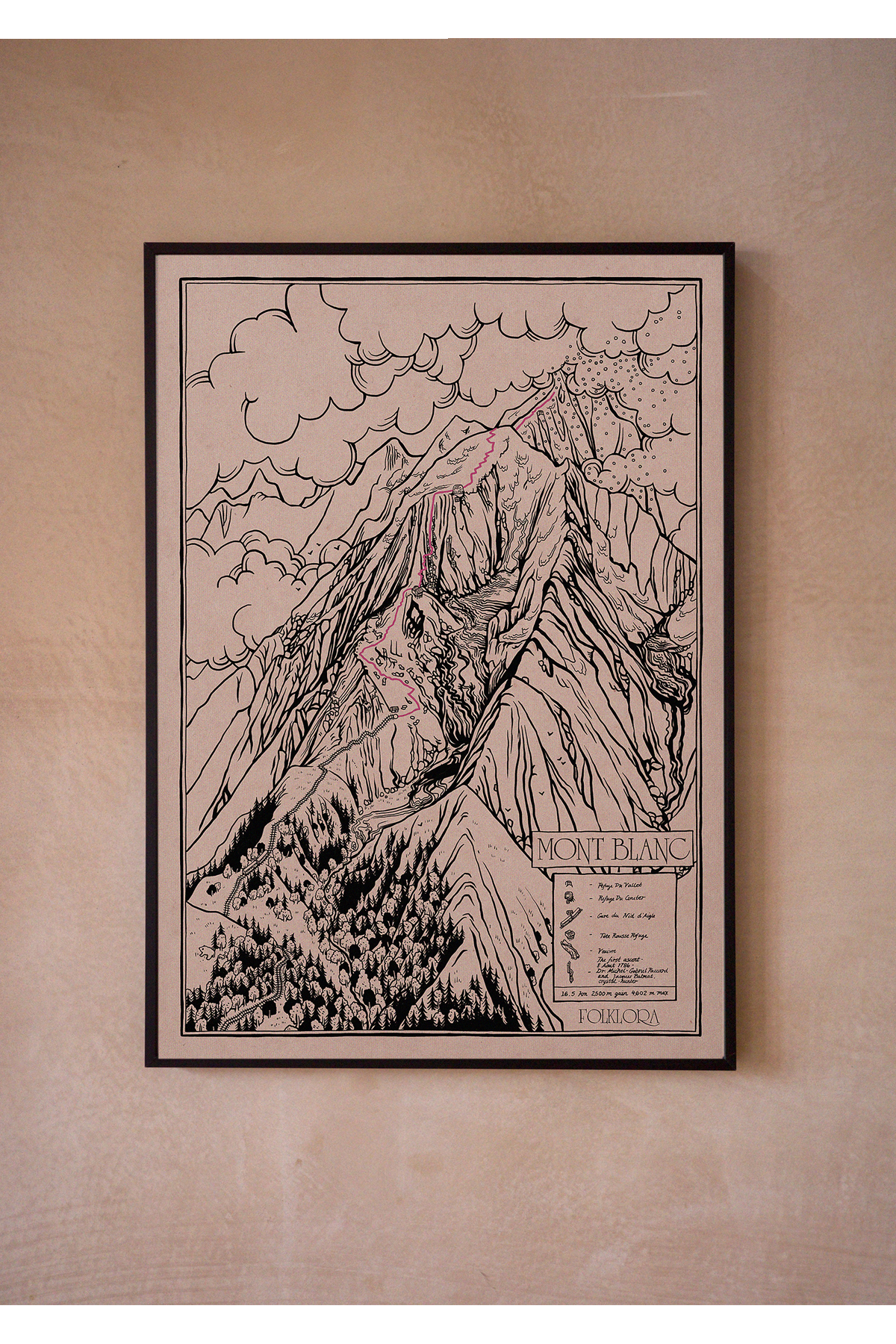
To those living in the valley below, the glaciers were not geological features. They were living things, malevolent and hungry. The demons inside would groan and sigh: bad omens and warnings. Explorers could disappear for years, only for the ice to spit out a corpse years later, somewhere else. Strange stories resonated: evil spirits, sorcerers, devils sent to trick, ice queens.
But, the crystal-hunters were working through it all. They were the bridge between the folk terror of the summit and the sport that came after. When the route was eventually named, it was called the Voie des Cristalliers — the Crystal-hunters Way.
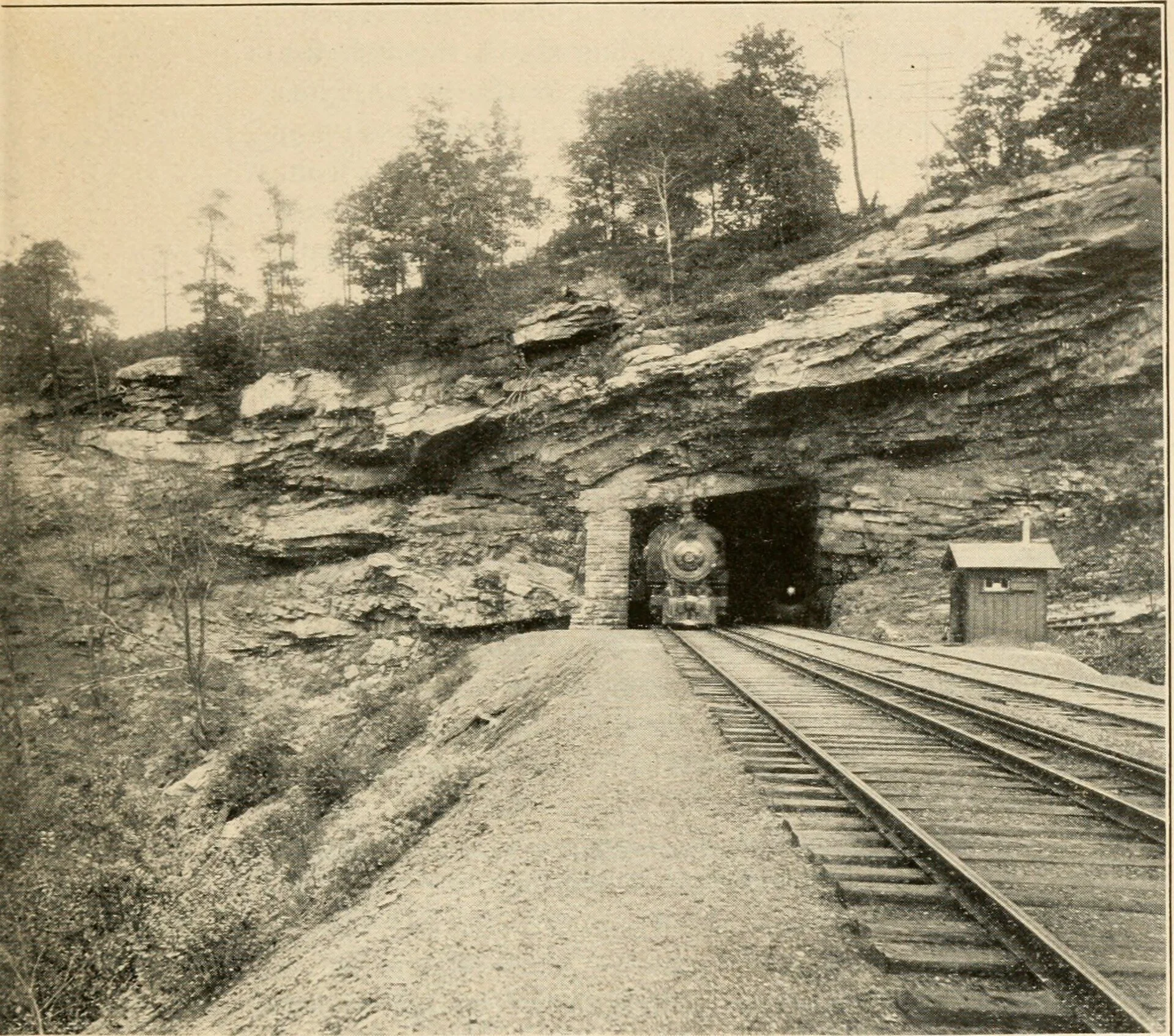
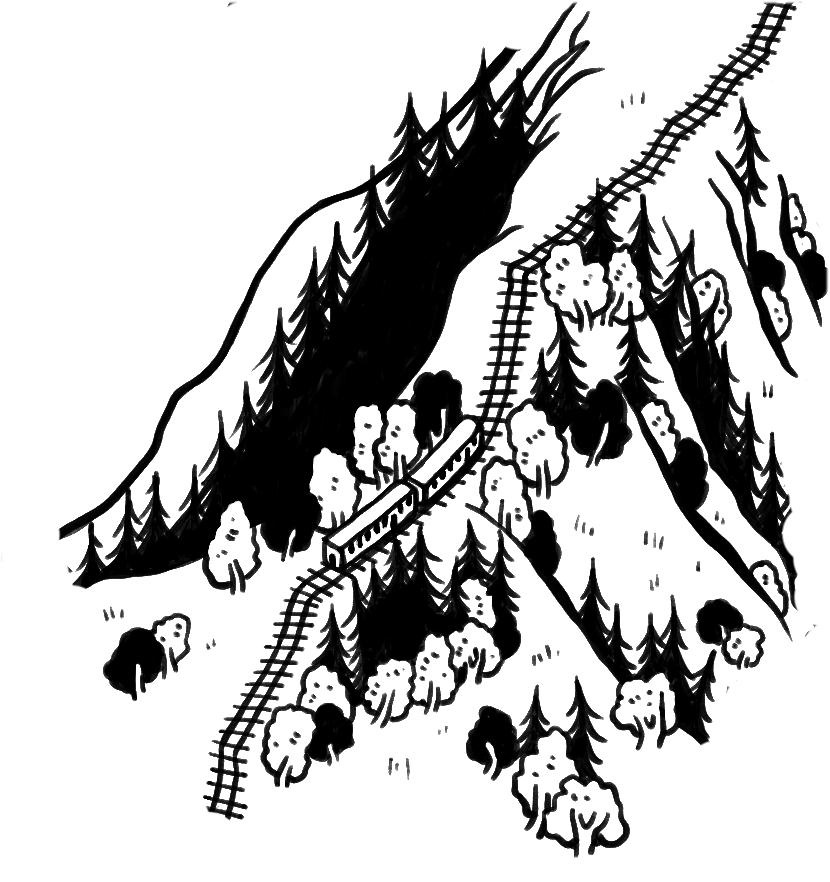
The Tramway du Mont-Blanc was initially designed to carry travellers all the way to Aiguille du Gouter at 3,817 meters. Though this has never been accomplished, it does carry passengers from Le Fayet to the Mid d’Angle, the Eagle’s Nest, at 2,412 meters. From there, one must go on foot.
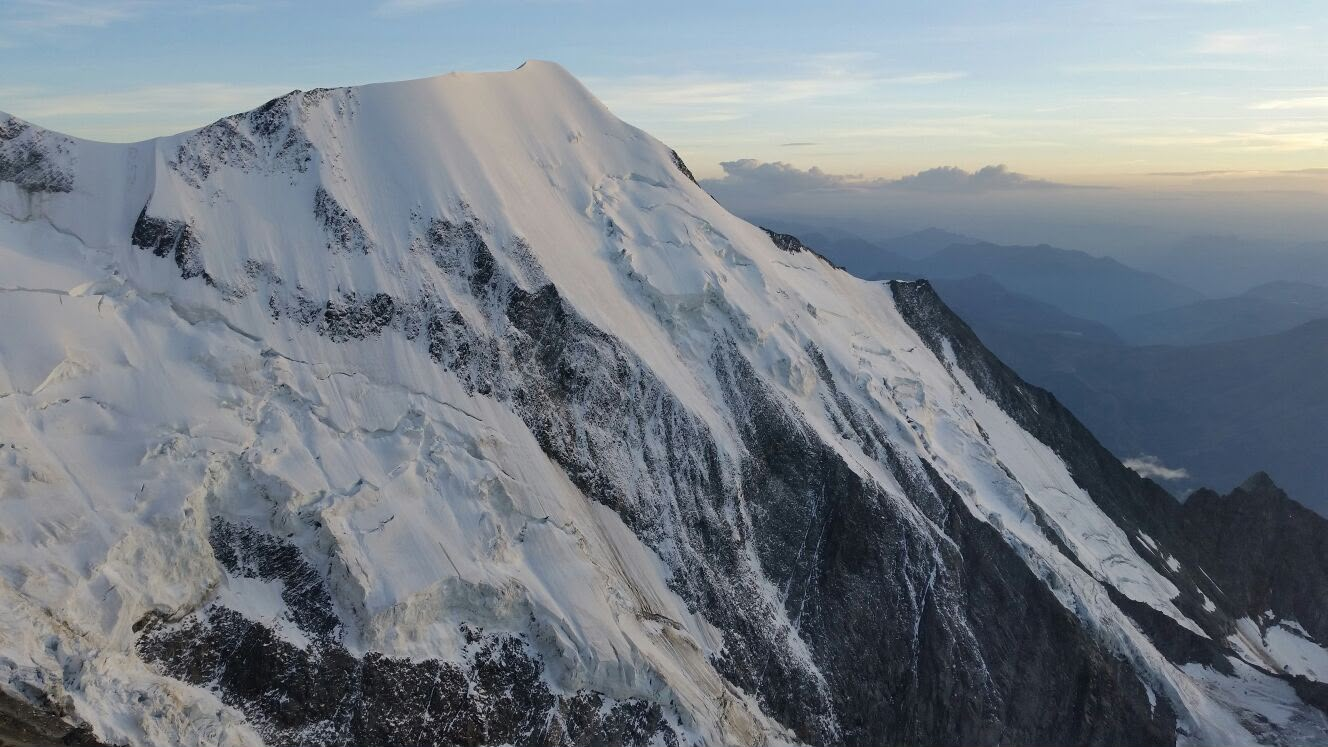
Along the tramway, you will pass through dense conifer and beech forests, giving way to spruce and alpine pasture until, above 2,500 metres, vegetation disappears entirely and the Bionnassay Glacier is visible from the train. Keep your eyes open for swift-footed chamois and soaring Alpine choughs, small, black, and incredibly hardy.
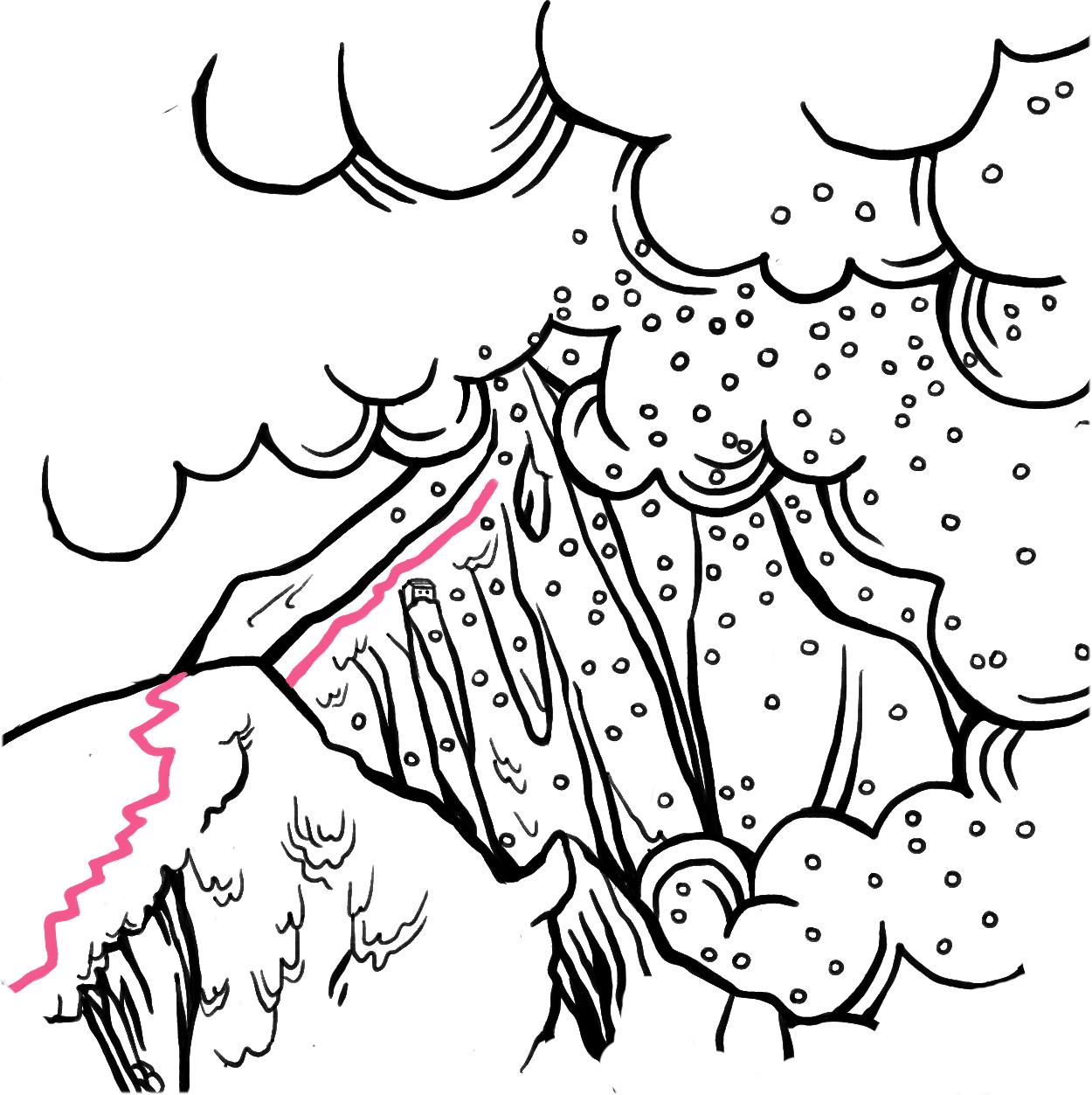
Once off the train comes the trail of the Grand Couloir, the most dangerous section of the route. At around 3,350 metres, it consists of roughly 300 meters of steep, loose stone, aided by a guide rope. Only open early in the morning, before the sun can touch the precarious permafrost, this section has claimed more lives than any other part of the mountain.
The Grand Couloir behind, you reach the space-station that is the Gouter hut, an egg-shaped, angular structure that can house 120 people. Beyond this, the Arête des Bosses, a narrow corniced ridge, is the path to the top. In this case, the mountain spirits said no, visibility dropped to nothing, but the mountain was truly experienced regardless.
The Voie Royale was walked for two centuries by people who believed the glacier was a living monster and the summit was under a curse. They went anyway, because the crystals were up there, or the science, or the view from a ridge at dawn on which nobody they knew had ever stood. That is still, more or less, the reason people board the train at Saint-Gervais before first light and sit in the dark, not speaking, waiting for the gradient to begin.